


Key Features
- 4000mAh High Capacity: 4000mAh standard discharge with a 3900mAh minimum floor — strong capacity for a cell that also delivers serious discharge current, a combination that keeps pack designers coming back to the LR2170LA.
- 45A Maximum Continuous Discharge: 35A continuous for cycle life testing and up to 45A with an 80°C surface temperature cutoff — current headroom that covers demanding power tool, EV, and high-drain pack applications without compromise.
- Low Internal Impedance: ≤12mΩ initial AC impedance keeps voltage sag controlled and heat generation minimal under hard continuous discharge — exactly what a high-current pack build depends on.
- 300-Cycle Durability: Retains ≥80% capacity after 300 cycles at 1C discharge — solid long-term performance for pack applications where cell longevity directly affects system reliability and cost.
- Wide Operating Temperature Range: Charges from 0°C to 45°C and discharges from -20°C to 60°C, with meaningful capacity retention even at -20°C — built for real-world conditions, not just lab testing.
Overview
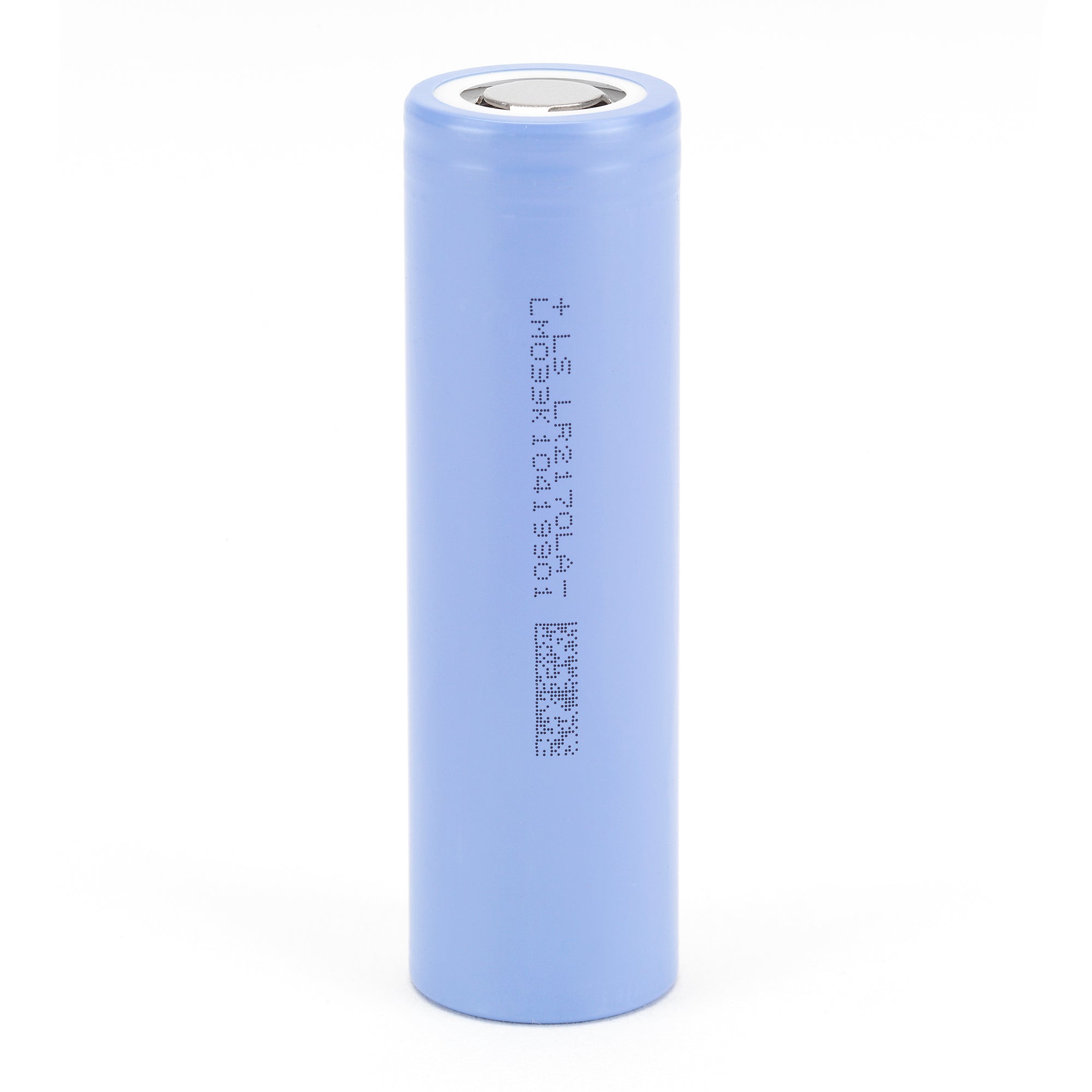
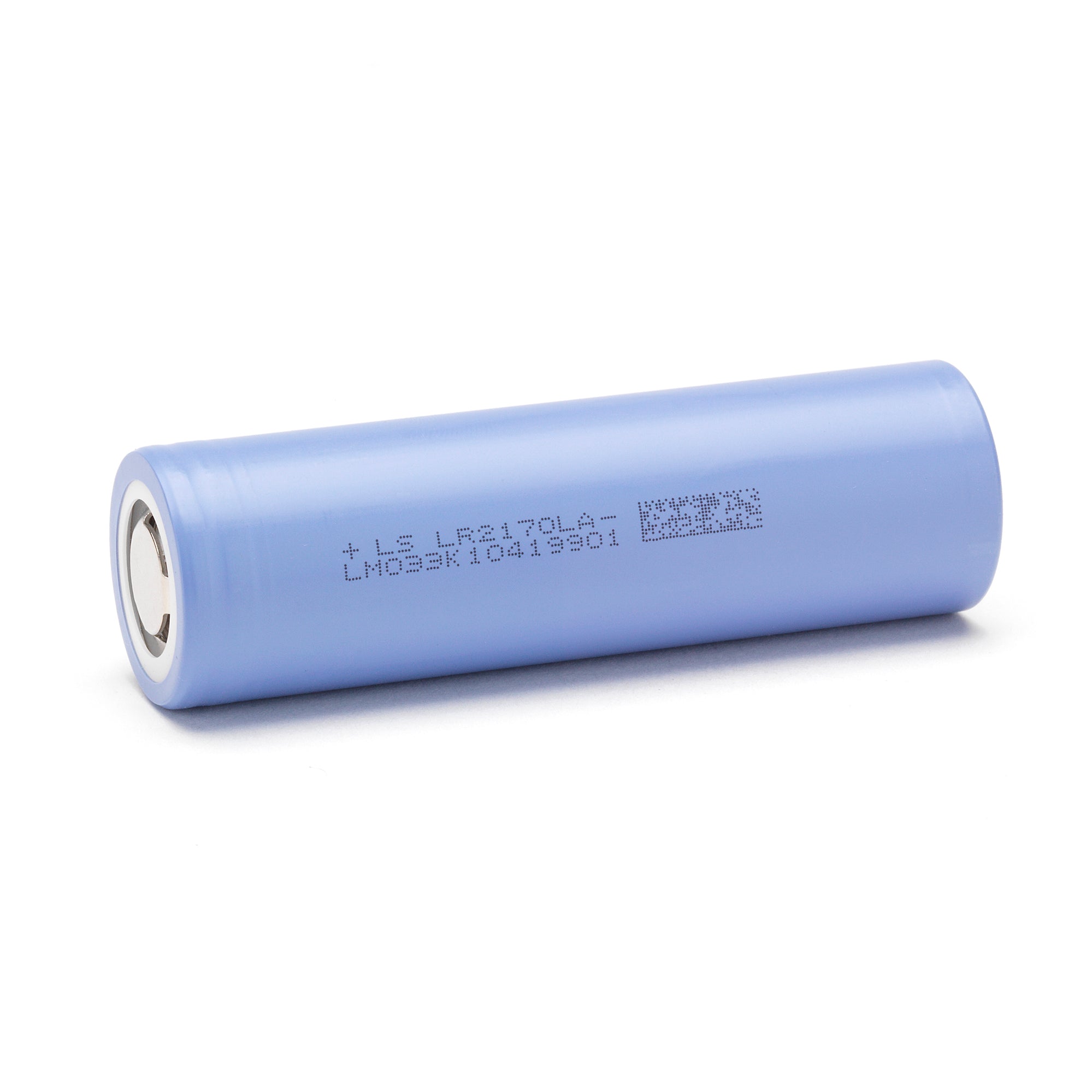
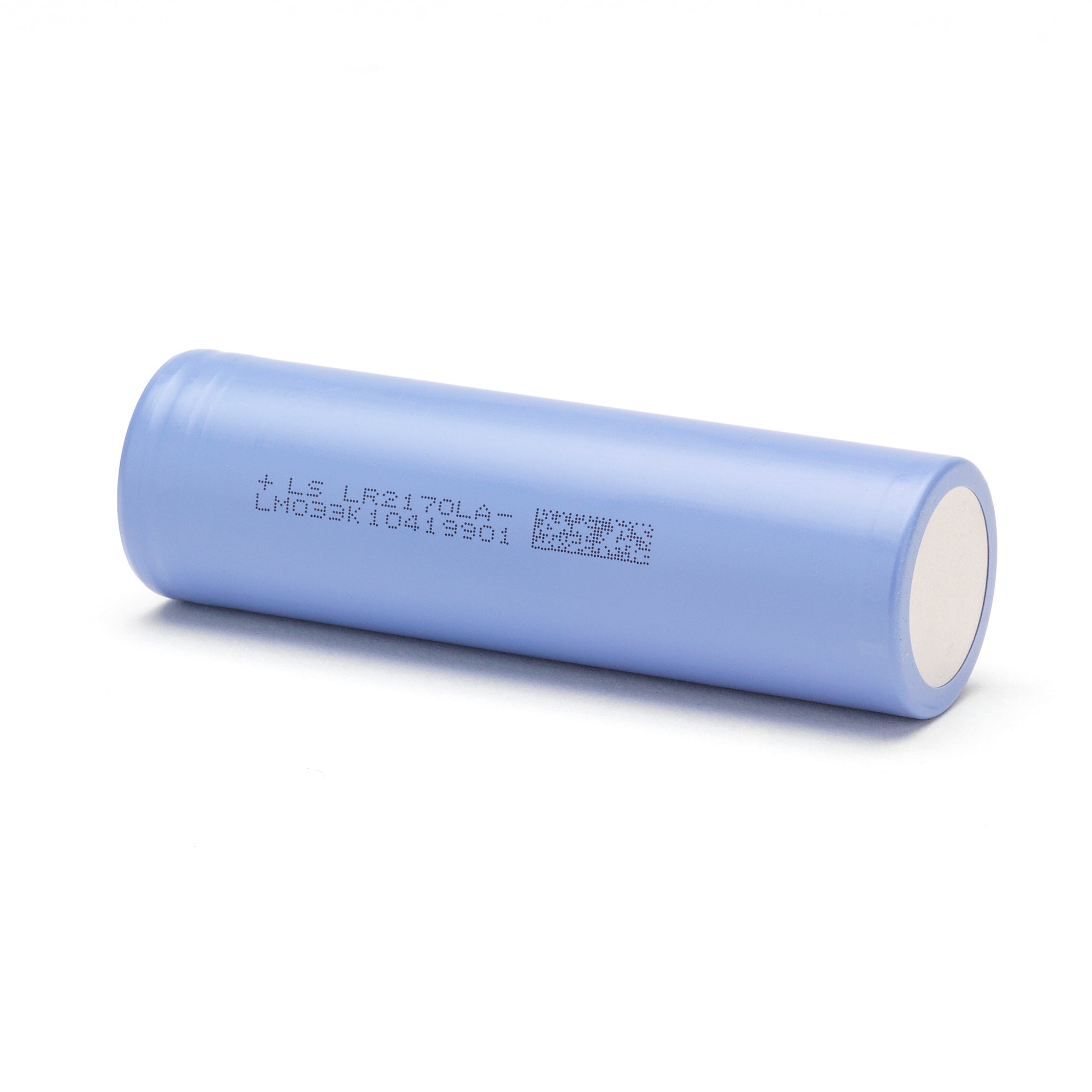
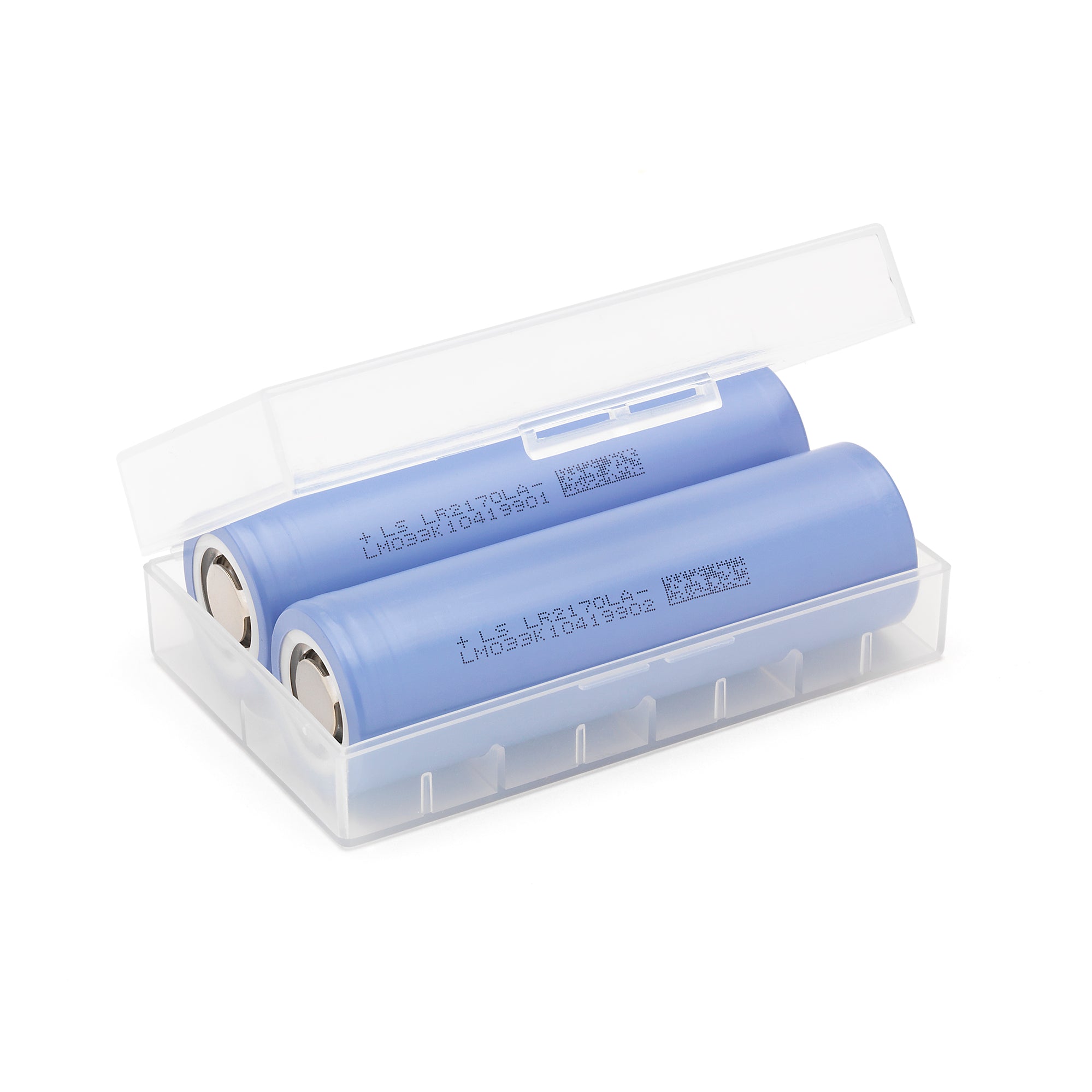
The Lishen LR2170LA is a 21700 cell that earns its place in serious pack builds. At 4000mAh and 45A maximum continuous discharge, it sits in a sweet spot between high-energy and high-power performance — enough capacity for meaningful runtime, and enough current headroom for demanding applications. The ≤12mΩ internal impedance keeps voltage behavior tight under load, and the 300-cycle rating at ≥80% capacity retention means your pack investment holds up over time. Standard charge runs at 2A via CCCV and rapid charge at 6A brings that down to around 70 minutes, giving you flexibility on charge speed. This is an unprotected flat top cell — it is not for standalone use. It is designed for integration into professionally assembled battery packs with a properly rated PCB or BMS in place, and it performs best when treated accordingly.
Applications / Uses
- High-drain power tool battery packs requiring reliable continuous and peak current output with solid cycle life
- E-bikes, electric vehicles, and light mobility battery assemblies where both range and power delivery matter
- Robotics, drones, and automation systems requiring dependable high-capacity 21700 cells with strong discharge ratings
- Custom and professional battery pack engineering where the LR2170LA's capacity and discharge balance fits the application
- Energy storage and backup power systems benefiting from the cell's combination of capacity and 300-cycle durability
Specifications
| Manufacturer: | Lishen Battery (Suzhou) Co., Ltd. |
| Model: | LR2170LA |
| Battery Type: | 21700 Lithium-Ion (Cylindrical) |
| Standard Discharge Capacity: | 4000mAh (normal) / 3900mAh (minimum) |
| Rated Discharge Capacity: | 3900mAh (normal) / 3800mAh (minimum) |
| Nominal Voltage: | 3.6V |
| Maximum Charge Voltage: | 4.2V |
| Discharge Cutoff Voltage: | 2.5V |
| Max Continuous Discharge: | 35A (cycle life) / 45A (80°C surface temperature cutoff) |
| Standard Charge: | CCCV, 2A, 4.20V, 200mA cutoff |
| Rapid Charge: | CCCV, 6A, 4.20V, 100mA cutoff |
| Standard Charge Time: | ~360 minutes |
| Rapid Charge Time: | ~70 minutes |
| Initial Internal Impedance: | 12mΩ or less (AC, at 25°C) |
| Cycle Life: | 300 cycles / 80%+ capacity retention (1C discharge) |
| Charge Temperature (Ambient): | 0°C to 45°C |
| Discharge Temperature (Ambient): | -20°C to 60°C |
| Storage Temperature: | Up to 1 year at -20°C to 25°C |
| Battery Top: | Flat Top |
| Protected: | No — unprotected cell; requires external PCB or BMS |
| Approx. Dimensions: | 21.1mm (D) x 70.5mm (H) |
| Approx. Weight: | 65g |
| Rechargeable: | Yes |
| Data Specification Sheet: | View Lishen LR2170LA Datasheet |
Important: This is an unprotected flat top cell intended for use in professionally engineered battery packs with appropriate PCB or BMS protection only. It is not intended for standalone or individual use without external protection circuitry.
⚠ Important Safety Warnings
Improper handling or misuse of this lithium-ion battery can result in FIRE, EXPLOSION, or THERMAL RUNAWAY, causing personal injury, property damage, or death. Users must read and follow all safety guidelines before purchase and use. Click here to review the full safety guidelines.
- Critical Warning: Never carry loose batteries in your pocket, purse, or bag. Loose batteries can come into contact with metal objects like keys or coins, causing a short circuit, which may result in severe burns, fire, or explosion. Always store or transport batteries in a protective case.
- Intended Use: This battery is designed for integration into protected battery packs with a Battery Management System (BMS) or Protection Circuit Board (PCB). It is not intended for standalone use or for e-cigarettes, vaporizers, or similar devices.
-
Thermal Runaway: A chain reaction where heat from a failing battery
causes further overheating, potentially leading to fire or explosion.
- Causes: Overcharging, short circuits, physical damage, or exposure to high temperatures.
- Prevention: Use a smart charger, avoid damage, and store batteries in a cool, dry place.
- Storage & Transport: Always store batteries in protective cases to prevent accidental contact with metal objects. Never store loose batteries in pockets, purses, bags, or near conductive materials.
- Inspection: Do not use if the PVC wrapper, terminal insulator, or casing is damaged, dented, leaking, or bulging. Continued use could result in failure, fire, or explosion.
- Charging: Use a smart charger specifically designed for lithium-ion batteries and ensure the charger's voltage matches the battery's specifications. Never overcharge, over-discharge, or leave unattended while charging.
-
Prohibited Activities:
- Do not expose the battery to extreme heat, fire, or liquids.
- Do not short circuit, puncture, crush, or modify the battery.
- Do not charge or discharge beyond the manufacturer’s voltage range.
- Do not dispose of in regular trash—always recycle at approved facilities.
- Emergency Response: If a cell shows signs of thermal runaway (e.g., smoke, swelling, hissing, or heat), stop use immediately and, if it can be done safely, move it to a non-flammable surface (e.g., concrete or sand) away from combustible materials. Lithium-ion cells burn as Class B fires — use an ABC / dry-chemical fire extinguisher, or douse with large amounts of water to cool the cell and prevent the fire from spreading. Do not rely on a small spray; thorough cooling is required, and cells can reignite from residual heat, so monitor the area afterward. (Class D extinguishers are intended for lithium-metal batteries, not lithium-ion.) For any fire beyond a single small cell, evacuate and call emergency services.
Disclaimer
18650Battery.com is not responsible for any damages, injuries, or claims arising from improper use, handling, or failure to follow these safety guidelines. Lithium-ion batteries require strict adherence to all safety protocols. It is the reseller's responsibility to ensure all safety warnings and product guidelines are effectively communicated to customers. Users and resellers assume full responsibility for the safe handling, usage, and distribution of this product.